
Accueil > Microalgae
Industrial valorisation of microalgae
- Industry, Life science, Sea / environment
We offer a complete range of services geared towards the industrial use of microalgae, from strain screening to production scale-up.
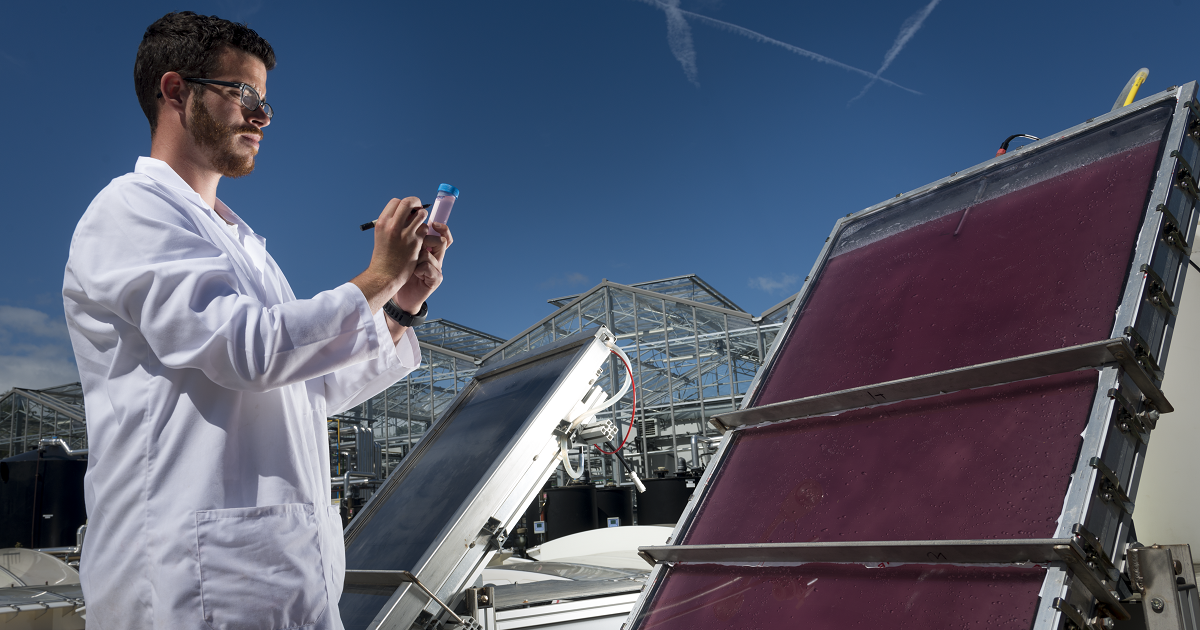
Our teams are there to guide you when it comes to selecting strains and determining the optimal conditions for microalgal cultivation. We launch a battery of tests on various production systems, be they closed or open, and are able to test or develop different types of custom-made photobioreactors.
We also manage recovery operations up to the extraction-purification of the relevant microalgal compounds: carbohydrates, lipids and proteins.
Our efforts go a long way towards furthering the development of high-potential innovative products such as bioplastics, biofuels, biomaterials, bio-bitumen, spirulina, etc.
By means of R&D services and collaborative research projects, Capacités presents manufacturers and laboratories with their GEPEA Laboratory know-how in the industrial use of microalgae: reusing CO2, nitrogen and waste heat from industrial activities that cause pollution in order to create valuable resources.
Summary
Services
Strategy and consulting
Diagnostics and screening
Process development
Biorefining
Biorefining
Microalgae, a revolution for
Natural compounds
Microalgae are an innovative source of natural compounds: EPA/DHA, pigments, peptides, proteins, polysaccharides and sterols.
Nutraceutics | Cosmetics
Active molecules
Microalgae are an innovative source of active molecules with unique properties — perfect for enriching your pipeline.
Biotechnologies | Pharmaceuticals
Biomaterials
Microalgae enable the development of innovative materials to replace petroleum-based components.
Chemical industries | Plastics manufacturers
Reducing CO₂ emissions
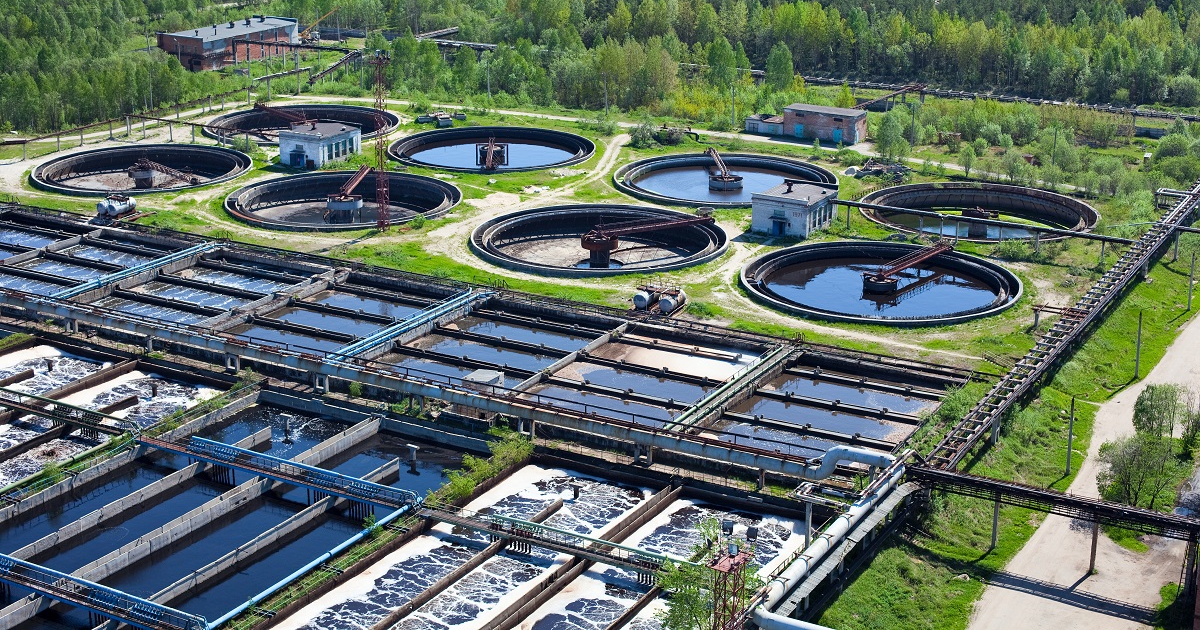
Microalgae cultivation makes it possible to integrate Carbon Capture, Usage and Storage (CCUS) technologies into plants.
Heavy industries
Screening, selection and optimisation of strains
Our teams have access to the collections of strains from the GEPEA and MMS research laboratories. Where necessary, they can also make use of the RCC and NCC collections, among others. Due to our expertise in strain characterisation, we are able to guide you through the screening, isolation and purification stages.
In a nutshell
STRAIN PORTFOLIO
SCREENING
ISOLATION
CHARACTERISATION
PURIFICATION
TORUS PHOTOBIOREACTORS
More
- Portfolio of industrial strains
- Screening of new strains
- Bioprospecting and sourcing of wild strains
- Isolation and characterisation of HVA molecules
- Micromanipulators – purification of strains
- Strain screening in photobioreactors: EOSS technology
- Experimental torus photobioreactors in a controlled environment
Development, testing and automation of cultivation processes
On the strength of our technical resources, we are able to test, measure and monitor all the relevant cultivation parameters for algal biomass production in real time: carbon, nitrogen and phosphorus levels, quantity of light, quantity of water, biological contamination, weather conditions, etc.
We also work on automating cultivation processes by designing monitoring tools capable of automatically adjusting the cultivation parameters in photobioreactors.
In a nutshell
TECHNOLOGY TESTING
CONCENTRATION AND HARVESTING
PROCESS DEVELOPMENT
GROWTH MONITORING
WASTEWATER TREATMENT
More
Cultivation
- Characterising existing technologies
- Developing innovative technologies
- Optimising solar production
- Industrial feasibility study
- Environmental impact
- Life-cycle assessment
- Technology testing
Biomass concentration and harvesting
- Preconcentration and concentration systems
- Filtration and membrane separation processes
- Centrifuges
Process development
- Technical and scientific consulting regarding the creation of photobioreactors, as well as harvesting and biorefinery systems
- Support for the defining and drafting specifications
- Testing of innovative cultivation technologies in a real-world environment with either artificial or natural light (plug & play mode)
- Equipment development
Growth monitoring
- Monitoring including: dry matter, observation under microscope, counting, etc.
- Precise characterisation of the microalgal biomass (pigments, lipids, proteins, polysaccharides, etc.)
- Analysis of organic and inorganic carbons
- Analysis of the physico-chemical composition of the culture (nitrates, phosphates, ammonium, metals, etc.)
Treatment and industrial waste recovery
- Bioremediation of gaseous and liquid wastes
- Using waste heat
- Combining cultures – effluents and developing circular economy concepts
- Optimisation and recycling of the culture medium
Biorefining, comparative testing and combining unit operations
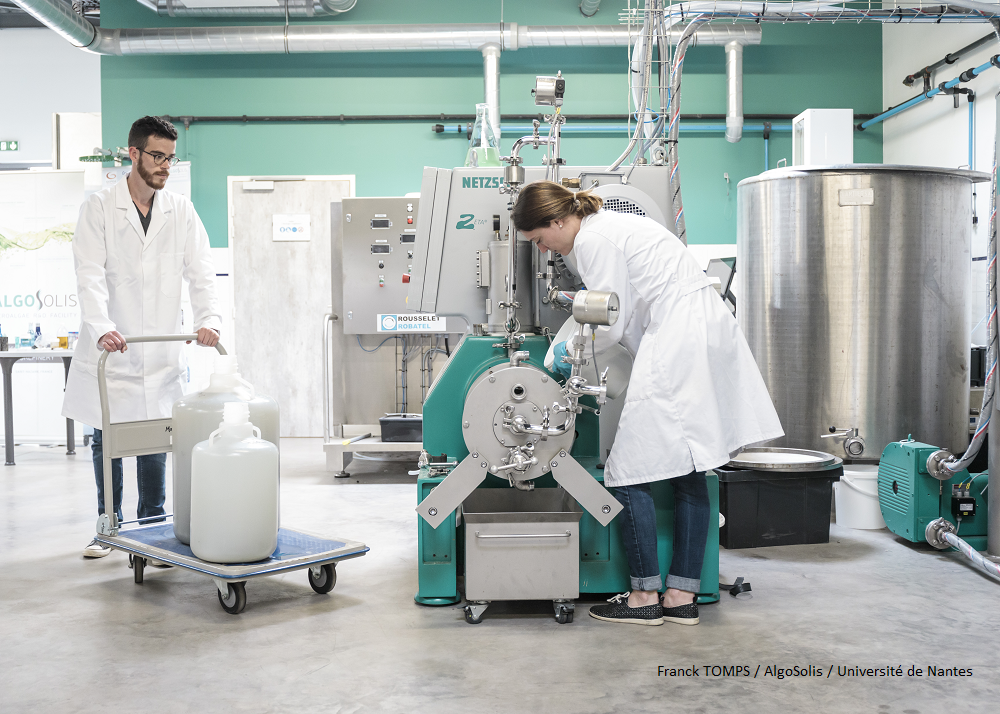
Our specialists examine the integration of unit operations, either in the research laboratory or on site, with a view to completely recovering the biomass produced. We develop the process up to the extraction-purification of those biomolecules indicated in your specifications. Our research is validated in real-world conditions and on a representative scale.
In a nutshell
HARVESTING
MILLING – ENRICHMENT
EXTRACTION
PURIFICATION
CONDITIONING
More
Harvesting
- Centrifugation
- Flotation
- Decanting
- Granular filtration
- Membrane filtration
Grinding
- High-pressure grinding
- Bead milling
Concentration and enrichment of target metabolites
- Targeted metabolites: polysaccharides, bioactive lipids, pigments, secondary metabolites
- Membrane filtration
- Centrifugal partition chromatography (CPC)
- Resins
Extraction
- Solvent extraction
- Centrifugal extraction
- Reactive extraction
Adsorption
- Membrane filtration
- Precipitation
- Distillation, rectification
- Purification
- Centrifugal partition chromatography (CPC, preparative or production)
- Crystallisation
Biomass conditioning methods
- Drying
- Atomisation
- Lyophilisation
Mass balance, biomass analysis
Along with the unwavering support of the GEPEA and CEISAM laboratories, we possess the expertise and range of analytical equipment necessary for a precise biochemical characterisation of the organic matter present, the metabolites produced and the biomolecules extracted. We are thus able to carry out our analyses in an entirely autonomous and confidential manner.
In a nutshell
PROTEIN DOSAGE
COMPOUND PROFILING
CLASS PROFILING
FAMILY PROFILING
SPECTRO ANALYSIS
NMR
More
Dosage
- Pigment dosage via spectrometry
- Protein dosage via colorimetric analysis
- Total monosaccharide dosage via colorimetric analysis
Profiling
- Compound profiling: polar via GC-MS and water-soluble via HPLC
- Class profiling via HPTLC
- Family profiling via FTIR
Types of analysis
- UV-vis et NIR spectrochemical analysis
- Online analysis of biomass composition via benchtop NMR
- Access to the MS and NMR platforms of BiogenOuest (Corsaire network)
Scaling up the microalgae cultivation processes
We test and validate the scale-up and industrialisation conditions of the processes. Our wide array of equipment allows us to design pilots and to implement laboratory-scale production, as well as to make and deliver samples destined for trials (consumer, preclinical and clinical).
In a nutshell
IDENTIFYING CONSTRAINTS
PILOT PLANT
INDUSTRIALISATION
CUSTOM MANUFACTURING
More
Identifying and validating constraints
- Mass and heat transfer limitations
- High partial pressure of O2/CO2
- pH/temperature gradients
- Substrate gradients
- Pressure
- Light
Industrialisation of the process
- Tests and trials with a view to scaling up
- Validation of industrial raw materials on laboratory equipment
- Characterisation studies of pilot equipment (standard) prior to validation tests
- Integrating the new process into the existing process chain
Custom manufacturing
- Small trials: production from gram to kilogram according to the established protocol
- Setting up pilot production units in order to monitor various parameters and potential limitations
Collaborative research activities and R&D projects
Since we have access to the technical resources and researchers belonging to the GEPEA Laboratory, we are able to develop innovative projects through R&D in the marine bioresources recovery fields, and particularly in microalgae.
In a nutshell
INDUSTRIAL ECOLOGY
WASTEWATER TREATMENT
BIOFUELS
BATCH PRODUCTION
INNOVATIVE PROCESSES
EQUIPMENT TESTING
More
- Biofuel production
- Treatment of liquid waste and industrial fumes
- Production of active ingredients
- Production of bio-based materials
- Biomass batch production
- Research and testing of cultivation systems
- Equipment testing
- Optimisation of cultivation parameters
ALGOSOLIS technology and R&D facility
AlgoSolis provides us with the necessary equipment and infrastructure for the controlled, intensive and sustainable use of microalgal resources on a large scale. This platform allows the various stakeholders to develop microalgal cultures in open and closed ponds. The modelling and designing of custom-made photobioreactors is also available. This technology service promotes the development of innovative research projects in the field of blue biotechnology.
In a nutshell
PRE-CULTURE ROOMS
INTENSIFIED PHOTOBIOREACTORS
AIRLIFT PHOTOBIOREACTORS
CLOSED RACEWAYS
OUTDOOR PRODUCTION
GREENHOUSE PRODUCTION
BIOREFINERY HALL
More
Identifying and validating constraints
- Mass and heat transfer limitations
- High partial pressure of O2/CO2
- pH/temperature gradients
- Substrate gradients
- Pressure
- Light
Industrialisation of the process
- Tests and trials with a view to scaling up
- Validation of industrial raw materials on laboratory equipment
- Characterisation studies of pilot equipment (standard) prior to validation tests
- Integrating the new process into the existing process chain
Custom manufacturing
- Small trials: production from gram to kilogram according to the established protocol
- Setting up pilot production units in order to monitor various parameters and potential limitations
Training in microalgae cultivation
This professional training course, which is headed up by the research professors of the GEPEA Laboratory and the engineers at Capacités, provides the theoretical and practical elements involved in the entire microalgae production chain, from the preparation of media and inoculums to the ultimate harvesting of the biomass produced in natural light. The course is endorsed by the Pôle Mer Bretagne Atlantique.
- Good cultivation practices [1 day]
- Cultivation engineering [2 days]
- Harvesting microalgae [1 day]
Engineering at Capacités
Our biodegradability experts carry out their engineering work directly in the research laboratories of Nantes Université, in particular at the GEPEA. On a daily basis, they combine technical means and scientific discoveries to meet your R&D challenges.
Challenges we’ve met
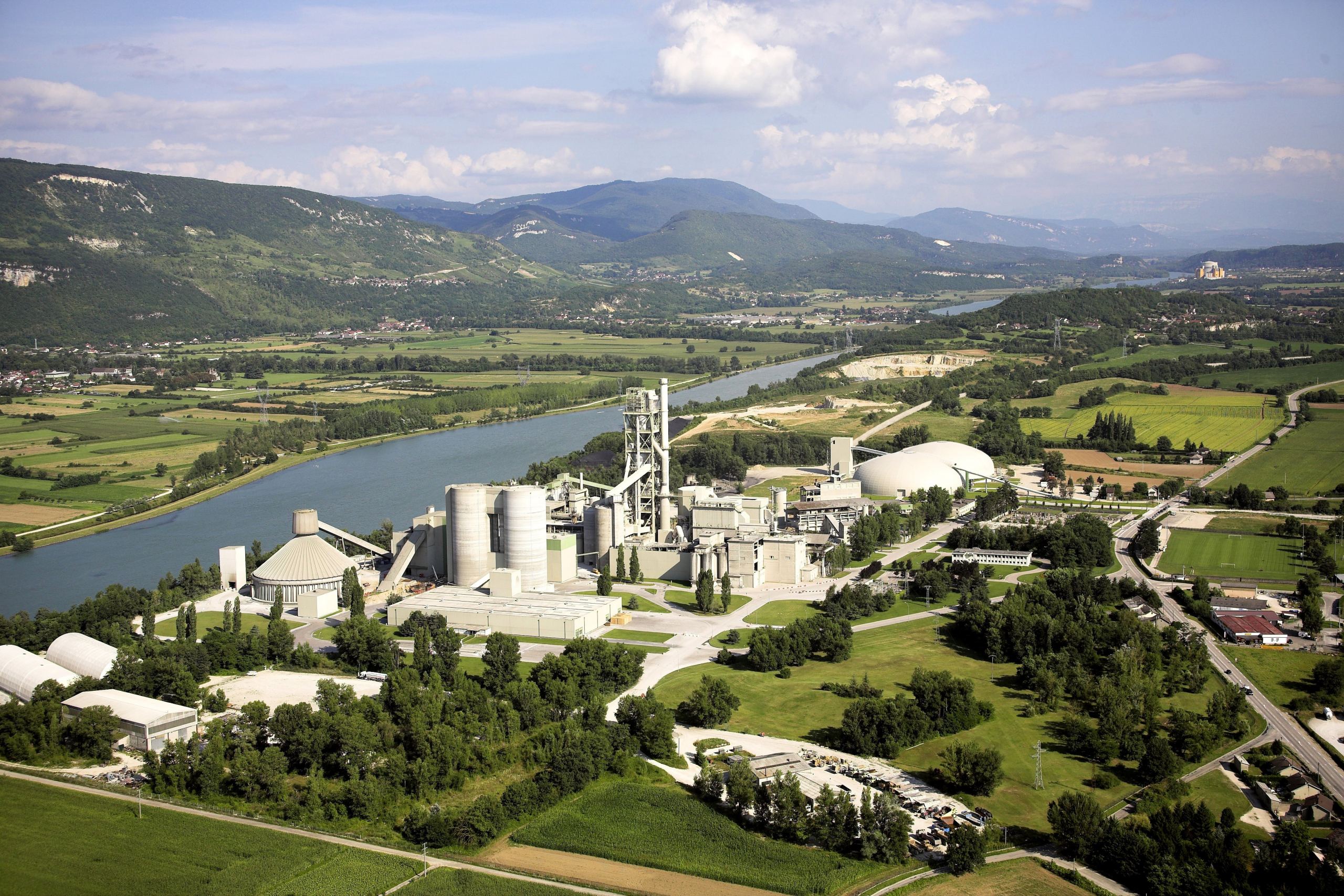
Microalgae to valorise waste heat and industrial CO2
Biorefining microalgae: successfully scaling up
Microalgae: how to recover CO2 from industrial sites into biomaterials and biofuels
Producing high value-added molecules from microalgae
Producing cholesterol-lowering microalgae at industrial scale
Need an innovative and resourceful partner?
Capacités teams inspire, harness and couple numerous cutting-edge skills covering a wide range of applications and expertise to meet all of your innovation needs with passion and commitment!
or send us a message: