Enhancing the efficacy, stability, and specificity of molecules through glycoscience
Are you looking to solubilize a hydrophobic active ingredient, develop targeted therapies (AAV), design effective vaccines, or create bio-guided cosmetic ingredients?
To address these challenges, CAPACITÉS transforms the complexity of sugars into concrete R&D solutions for the pharmaceutical, cosmetics, and nutrition industries.
Although your active ingredients show promise, they often lack specificity or cause adverse effects.
The attachment of targeted sugar moieties (site-selective glycoconjugation) transforms your molecules into “guided missiles” recognized by specific cellular receptors (lectins).
Increased therapeutic index and reduced toxicity.
Modification of the surface of viral capsids (AAV) and antibodies (ADC).
Development of glycoconjugate vaccines that elicit a strong immune response.
In a nutshell
Synthesis of Glycosides
Bioconjugation
Development of glycoconjugates
Measurement of glycomolecules
More
Synthesis of glycosides
Orthogonal Protections/Deprotections
Selective functionalizations
O, S, C, N-Glycosides
Cyclodextrin chemistry
Multivalence/Polymers
Glycosidase inhibitors/Activators
Glyco-nanoparticules
Development of glycoconjugates
Lys, Tyr, and Cys functionalization via bioconjugation
Organic Synthesis: Custom synthesis of complex carbohydrate molecules, from proof of concept to pilot-scale production.
Bioconjugation and targeting: Covalent and site-specific grafting of glycan motifs onto proteins, peptides, antibodies, and nanoparticles.
Vectorization and Formulation: Design and modification of custom cyclodextrins for the microencapsulation of active ingredients (cyclodextrin encapsulation, improved bioavailability, active ingredient, solubilization of hydrophobic molecules).
Interactions and screening: Detailed analytical characterization, quantification of glycomolecules, and validation of inhibition on biological targets (measurement of sugar-protein affinity, lectin inhibition assay, glycan-receptor interactions, HPAEC-PAD quantification)
In a nutshell
Synthesis
Bioconjugation
Vectorization
screening
Engineering at CAPACITÉS
Nantes chemistry laboratory
On the one hand, CEISAM focuses primarily on three research areas: the synthesis of organic molecules and hybrid materials, methodological developments in analytical chemistry, and molecular modeling.
Our technical ressources
We have access to more than 150 pieces of equipment in the University of Nantes’ laboratories.
Need an innovative and resourceful partner?
Capacités teams inspire, harness and couple numerous cutting-edge skills covering a wide range of applications and expertise to meet all of your innovation needs with passion and commitment!
The double advantage of Centrifugal Partition Chromatography is that solvent consumption and purification process time are drastically reduced.
We work to identify the appropriate solvent and the hydrodynamic characterization of each stationary phase in order to optimize purification methods at the industrial scale. We use digital models to help transfer the process to the industrial scale and to ensure that the projected calculations are valid.
Our engineering and R&D services
Our experts work with manufacturers of extracts, fragrances, biomolecules and active ingredients. Together, we optimize purification processes by developing and adjusting the processes and enriching and purifying molecules.
Molecule Extraction and Purification
Comparing extraction processes, purifying natural and synthetic substances, and developing methods for fractionating molecules of interest.
Reactive extraction
Distillation
Membrane filtration
High-performance liquid chromatography (HPLC)
CCD (Counter Current Distribution)
Flash chromatography
Fractionation of biotechnologically produced metabolites
Characterizing the extract before fractionation and selecting the appropriate separation method to obtain an optimal concentration of the purified substance.
Evaluating complexity and researching the best separation principles
Capturing metabolites: utilizing liquid phases to recover metabolites at bioreactor outlets (photobioreactors, fermenters)
Concentration and purification: combining enrichment and concentration operations in accordance with specifications and process ecodesign
CPC column design, sizing, and characterization
Optimizing separation at a given scale, scaling up, or determining optimal dimensions of a centrifugal partition chromatography column for industrial-scale purification.
Approving the feasibility of commercial pilots and prototypes
Selecting solvents and the principle of separation: tests in pillboxes with targeted molecules, determining the physicochemical parameters of the separation system
Conducting research on solvent substitution and using green solvents
Hydrodynamics and mass transfer: identifying and lifting limitations, process intensification, sizing parameters
Defining the dimensions of a centrifugal partition chromatography column: optimizing productivity and seeking a techno-economic optimum
Purification process mastery and optimization
Reducing the number of steps in the purification process for natural substances with high added value (peptides, alkaloids)
Choice of two-phase liquid-liquid system: eluent and stationary phase
Assistance in choosing alternative solvents (biosolvent, green solvent) and ecodesign
Choice of separation technique: partition, displacement, ion exchange, chelation
Optimizing operating conditions
Preparing CPC column scale changes
Scaling a CPC purification process to the industrial scale and reducing the volume of solvent used by 75%.
Developing CPC column scale-up methodologies: approving phase hydrodynamics at different scales and verifying separation performances
Establishing specifications for separation and the technical specifications of equipment
Capacités teams inspire, harness and couple numerous cutting-edge skills covering a wide range of applications and expertise to meet all of your innovation needs with passion and commitment!
Cyclodextrins have an inclusion capacity that enables many hydrophobic compositions to become soluble in an aqueous solution.
There are many uses for this molecular tool, such as controlling the release of scents and flavors, improving the bioavailability of a therapeutic compound, capturing pesticides, encapsulating toxic organic compounds present in water, etc.
Our engineering and R&D services
Our experts work with you on your research and development projects. They help you develop formulation strategies, optimize inclusion complexes, improve compound solubility,ensure stability in volatile molecules, and assist in many other research problems.
Improving inclusion properties
Optimizing the stability, solubility, and bioavailability of active and inactive ingredients in medicine
Selective functionalization of cyclodextrins
Chemical modification of commercial cyclodextrins
Monofunctionalization of cyclodextrins
Synthesis of anionic, cationic, and amphiphilic cyclodextrins
Complexation studies
Characterizing inclusion and complexation properties to make a composition’s hydrophobic molecules water soluble
Preparing inclusion complexes
Encapsulating molecules of biological interest / active ingredients, inactive ingredients, food products, and peptides
Kneading method, lyophilization, co-precipitation, and microwave
Encapsulating and binding molecules to reduce active ingredients’ effects in a target environment
Designing cyclodextrins for decorporation
Decontaminating water and soil
Trapping active ingredients and scents
Using cyclodextrins for formulating cosmetic products or medicines (muscle relaxants, therapeutic compounds that can selectively attract and capture E.coli-type bacterial strains and halt their adhesion, e.g., for treating Crohn’s disease)
Need an innovative and resourceful partner?
Capacités teams inspire, harness and couple numerous cutting-edge skills covering a wide range of applications and expertise to meet all of your innovation needs with passion and commitment!
Our experts in analytical chemistry provide your projects with exceptional technical resources and know-how.
Our Capacités experts in analytical chemistry have developed an exceptional know-how in Nuclear Magnetic Resonance (1D NMR and 2D NMR) and in Isotope Ratio Mass Spectrometry (IRMS). Access to a large pool of equipment allows us to support industrial projects, from sample preparation to characterization.
We are specialized in very high precision quantification projects and in the analysis of complex matrices. We help our clients to innovate in the study of metabolism, the fight against counterfeiting, the determination of the purity of active molecules, or the monitoring of chemical transformations.
Summary
Services
Strategy and consulting
Diagnosis and selection
Process development
Quality control
Development of methods
Metabolomic and lipidomic analyses
Validate a therapeutic target or refine the description of a pathology through the identification and qualification of biomarkers responsible for changes between two states.
Our experts master different types of analyses of biological samples. They perform targeted and non-targeted profiling and highlight changes between states of the biological matrices studied.
In a nutshell
Targeted analysis
Metabolomic profiling
Metabolic Footprint
Analysis of matrices
Data processing
More
Targeted analysis
Structural elucidation by screening of unknowns: NMR, mass spectrometry (low and/or high resolution), mainly in LC-MS: HPLC-MSn base resolution, HPLC-DAD-MSn high resolution, HPLC-UV, HPLC-FLR, GS-MS, UV-vis and NIR
On-line monitoring of chemical and biochemical transformations by benchtop NMR
Dosing : pigment by spectrometry, proteins by colorimetric method, total bones by colorimetric method
Performing statistical analyses such as PCA and PLS-DA
Metabolomic profiling
Compound profiling: polar by GCMS and water-soluble by HPLC
Class profiling by HPTLC
Family profiling by FTIR
One dimensional (1D) and/or two dimensional (2D) NMR profiling of biological matrices. Targeted or non-targeted analyses
Metabolic Footprint
Possible biomarkers identification
Targeted quantification of key metabolites in biological samples
Analysis of matrices
Metabolic or lipidomic extracts obtained from animals or plant matrices, bacteria, etc.
Biofluids: urine, blood, plasma, culture supernatants, etc.
Validation of regulatory status for commercial pure molecules
Synthesized or manufactured molecules not available on the market
Internal reference substances
Data processing
Pre-processing of NMR and MS spectra for statistical analysis
Statistical analysis of mass spectrometry and NMR data
Quantitative NMR (nuclear magnetic resonance)
Our expertise is to qualify reference substances, determine the purity of molecules and certify their compliance with international quality standards.
Our experts assist pharmaceutical and cosmetic companies in certifying the purity of their reference molecules using NMR methods.
In a nutshell
NMR acquisition parameters
NMR processing parameters
Method validation and parameter verification
Product origin authentification
Optimization of the NMR tool
More
NMR acquisition parameters
Measurement of longitudinal relaxation time
Recording of NMR spectra with a very high signal/noise ratio
13C decoupling to avoid the appearance of satellites, etc.
Quantitative 1H NMR with very high precision and accuracy (<0.1%)
High precision multi-dimensional quantitative NMR
NMR processing parameters
Manual phasing of spectra
Baseline correction
Spectra deconvolution
Score correction if 13C satellites are present
Method validation and parameter verification
Selectivity
Repeatability (precision)
Uncertainty calculation
Product origin authentification
Non-targeted profiling by high field or benchtop NMR
Isotopic analyses on target molecules
Quantitative and targeted NMR analysis
Development of metabo-isotopomic approaches
Optimization of the NMR tool
Ongoing European Research Council project: SUMMIT (Site-specific Ultrasensitive Magnetic resonance of Mixtures for Isotopic Tracking). Development of an analysis workflow based on two NMR methods: dynamic nuclear polarization by dissolution and ultrafast 2D NMR
Development of new rapid multi-dimensional methods for targeted and non-targeted metabolomics studies
Development of new methods for real-time monitoring of transformations
To analyze the 13C, 15N, 2H, 18O and 34S isotopes present in organic matter, for a better understanding of metabolism in the fields of health and nutrition.
The mastery of compound-specific analysis allows to obtain 13C and/or 15N profiles of different matrices.
In a nutshell
Average isotopic composition by EA-IRMS
GC-IRMS analyse
More
Average isotopic composition by EA-IRMS
Sample preparation
Analysis 13, 15N, 2H, 18O, 34S
GC-IRMS analyse
15N profiling of amino acids (after hydrolysis of proteins, derivatization, chromatography separation and 15N determination
Olivier L Mantha, Caroline Goupille, Jean-François Dumas, Richard Robins, Philippe Bougnoux, Régis Hankard, Arnaud De Luca, Natural isotopic abundances as markers of compliance in clinical trials, The American Journal of Clinical Nutrition, Volume 111, Issue 5, May 2020, Pages 1109–1110
Our Analytical Chemistry experts perform their engineering duties in the very research laboratories of Nantes Université themselves, most notably at CEISAM. They strive to combine technical resources and scientific discovery to meet your R&D needs.
Challenges we’ve met
Quantification of polysaccharides by 2D NMR
Developing a quick quantitative method in two-dimensional NMR
Capacités teams inspire, harness and couple numerous cutting-edge skills covering a wide range of applications and expertise to meet all of your innovation needs with passion and commitment!
Our experts in viral vector production work in the gene therapy laboratory in Nantes to support you in the development of new drugs.
CAPACITÉS’ teams in monitoring host immune response, preclinical assays and viral vector production offer a complete range of support for the development of drug candidates.
With internationally recognized know-how in the field of gene therapy, our experts offer the responsiveness of a CRO (Contract Research Organization) in the discovery and development phases of gene therapy products.
Summary
Services
Proof of concept
Preclinical data
Manufacturing
Preclinical assays
Technology platforms
Viral vectors manufacturing
In close collaboration with TaRGeT UMR 1089 gene therapy laboratory (UMR INSERM-Nantes Université), we propose the development of processes for the production and characterization of viral gene transfer vectors derived from adenoviruses and AAV. These vectors are intended for applications ranging from basic research to preclinical trials.
In a nutshell
AAV vectors
vector plasmids
analysis processes
R&D
More
Production of recombinant AAV vectors
Testing and proof of concept
Testing and proof of concept
Hybrid vectors (ITR AAV2)
Serotypes 1, 2, 3, 4, 5, 6, 7, 8, 9, rh 10
Variants (2i8, DJ, …)
Single-stranded and self-complementary rAAV
400 lots per year
Custom construction of vector plasmids
Strategy and design of plasmids
Production of plasmids
Molecular cloning
Amplification de plasmides pour la production de vecteurs
Development of analysis processes and techniques
Development of GMP compatible processes for small/medium scale manufacturing of viral vectors (rAAV)
Evaluation of innovative platforms for viral vector amplification (upstream, USP) and purification (downstream, DSP) processes
Development of production processes in adherent and suspension cells
Development of adapted analytical methods: purity, identity, titre, infectious power
Production and characterization of rAAV batches for preclinical efficacy, dose assessment and toxicity studies
ICH S6 Directive
Biocompatibility studies in final GMP containers
R&D
Research center dedicated to innovation in viral vector production
Development of high-performance custom processes for vector production
Improved efficiency of rAAV genome wrapping
Development of analytical tools based on next generation sequencing and bioinformatics
Characterization of genomes and contaminant residues from viral vector manufacturing processes
Vector production center – CPV
The research teams and the vector production center of TaRGeT UMR 1089 Gene therapy laboratory work together to ensure reliable, high-quality production and characterization of viral vectors. They can also develop custom analytical tests and new innovative characterization tests.
In a nutshell
Upstream technologies
Downstream technologies
More
Upstream technologies
HEK293 adherent cells – Cellstacks® vessels (CS) – Up to 24 CS10 per batch for small and medium rAAV production
Sf9 cells / BEV platform from 2 to 50 liters per batch for small and medium productions of rAAV
HEK293 cells in suspension. Process development phase, cell line screening…
2 benchtop bioreactors: Biostat® B benchtop for 2L/10L scale
Downstream technologies
Clarification: deep filtration, low speed centrifugation, HP homogenization (C55 cell disrupter)
Purification: Ion exchange column (IEX), immuno-affinity chromatography (Akta Ready, Akta Pilot, Akta Purifier
Akta Explorer), density gradient ultracentrifugation, TFF (KR2i – Spectrum Labs)
Formulation, filling in cryovials (multipette/X-Stream®)
Immune monitoring analyses
Experts in the monitoring of host immunity in gene therapy protocols, we provide analyses for monitoring immune responses directed against the vector and against the transgene product. We assist in the development of your gene therapy products, from the research project to toxicology studies and clinical trials.
In a nutshell
Humoral immunity
Cellular immunity
Sample preparation
More
Humoral immunity
Search for neutralizing factors (AAV, Adenovirus)
Detection of anti-AAV and anti-transgen antibodies
Cytokines quantification
Cellular immunity
Assessment of the T cell response
Multiparametric cell phenotyping
Sample preparation
Isolation of plasma or serum
Cell isolation (from whole blood, spleen, lymph nodes, bone marrow)
Tests available for :
Different vectors: AAV1, AAV2, AAV3, AAV4, AAV5, AAV6, AAV8, AAV9, AAV10 and Adenovirus
Several types of samples: PBMC (Peripheral Blood Mononuclear Cells), Splenocytes, Lymph node cells, Plasma, Serum, Spinal fluid
Adaptable to your needs, in close collaboration with the CPV and TaRGeT UMR 1089 Gene therapy laboratory research teams
Gene Therapy Immunology Core – GTI
Analyses for monitoring the immune response against the vector or the transgene product are carried out by the GTI (Gene Therapy Immunology Core) platform of TaRGeT UMR 1089 Gene therapy laboratory. This platform has complete technical means for the Immune monitoring of gene therapy studies.
In a nutshell
ELISpot
Cell proliferation test
Tetramer
flow cytometry
Cellular neutralization test
ELISA
Western Blot
Luminex
Plate washer
Multimode microplate reader
ELISpot reader
Turbo gel transfer system
More
ELISpot
Cell proliferation test
Tetramer
Multi-parametric phenotyping by flow cytometry (in collaboration with the Cytocell platform)
Evaluation of the biodistribution and expression profile of transgenes is necessary to understand the pharmacology and pharmacokinetics of a therapeutic product. We are recognized as experts in the molecular and biochemical analyses required to assess the efficacy and biosafety of gene therapy products.
In a nutshell
Evaluation of functionality
Evaluation of biodistribution
Expression Profile Assessment
development of preclinical studies
Absolute quantification
More
Evaluation of the functionality of therapeutic products
Evaluation of biodistribution and dissemination of gene therapy products after administration
Expression Profile Assessment:
RT-qPCR (relative quantification of the transgenic messenger)
Western-Blot or ELISA on tissues or fluids (specific detection of the transgenic protein)
Absolute quantification of the transgenic genome: qPCR on tissues and biological fluids
Global coordination and expertise for the development of preclinical studies to evaluate a therapeutic product
Preclinical analysis core – PAC
Our leading expertise, in the evaluation of biodistribution and expression profiles of transgenes, is implemented using multiple tools and equipment available on PAC (Preclinical Analytics Core) platform of the Nantes UMR1089 gene therapy laboratory.
In a nutshell
Tissue shredder
Pipetting machine
Nanophotometer
microplate reader
Colorimetric and fluorimetric reader
Electrochemiluminescence reader
PCR and qPCR instruments
Turbo gel transfer system
More
Tissue shredder (Qiagen, Tissue Lyser II)
Pipetting machine (Hamilton, Microlab Star)
Nanophotometer and microplate reader (Thermo Scientific, Multiskan FC)
Colorimetric and fluorimetric reader (Tecan, Spark microplate reader)
PCR and qPCR instruments (96 and 384 wells, Applied Biosystems, Biorad)
Turbo gel transfer system (Trans-blot turbo system, Biorad)
Engineering at CAPACITÉS
Our gene therapy experts carry out their engineering work directly in the research laboratories of Nantes Université, particularly in TaRGeT UMR 1089 Gene therapy laboratory On a daily basis, they combine technical resources and scientific discoveries to meet your R&D challenges.
Need an innovative and resourceful partner?
Capacités teams inspire, harness and couple numerous cutting-edge skills covering a wide range of applications and expertise to meet all of your innovation needs with passion and commitment!
Digital / AI, Industry, Life science, Sea / environment
Our teams create and design innovative, tailor-made robotics solutions for all lines of business.
Using robotics increases autonomy and performance, and it provides sustainable innovation in a wide range of fields: industry, agriculture, construction, civil engineering, etc We engineer state-of-the-art robotics solutions by combining top robotics research, technological innovation in artificial intelligence and our experience with unique projects.
Our expertise ranges from industrially automating difficult tasks to using innovative technology in autonomous robots, with careful consideration for the human-machine relationship. Rising to new challenges drives us. Our goal is to boost your competitive edge by advancing your R&D.
Summary
Services
Formalising the need
Pre-project studies
Development of a prototype
Industrialisation of the solution
On-site visits
Robotics and Automation Strategies
We are your partner for automating your machines and incorporating robotics into your operations. Our teams brainstorm ideas with you, conduct on-site visits and carry out the pre-project studies needed to secure your investments. For each innovative project, our experts develop a robotic system adapted to your business.
Autonomous Robotics in Uncertain Environments
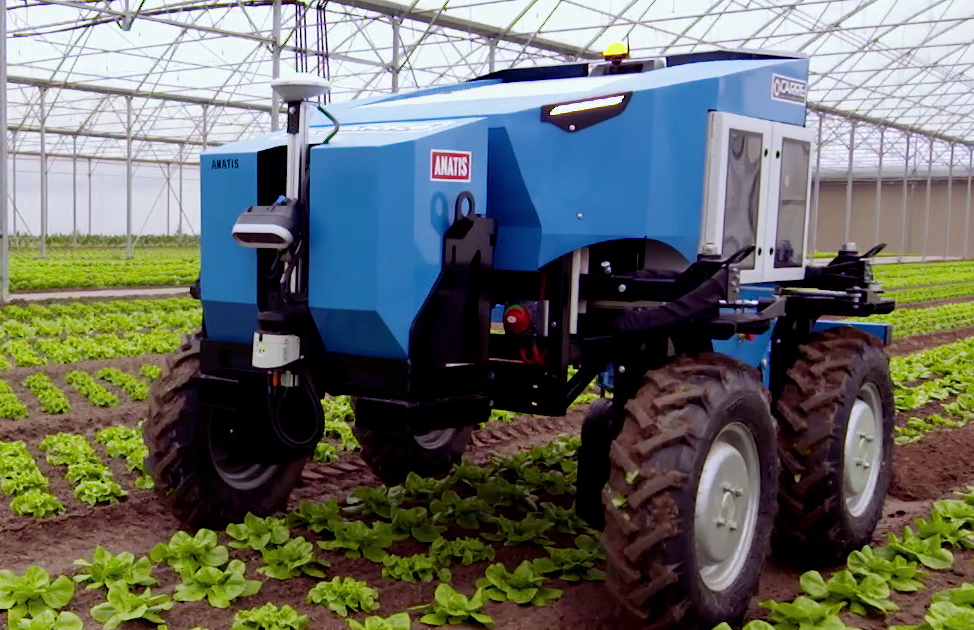
Our mobile robotics engineers have a broad range of experience with different lines of work and fields of application (service robotics): agricultural robotics, under-sea construction, underground construction, defense, etc. They put their expertise to use to design autonomous and intelligent robots that are adapted to complex environments.
Automating Industrial Processes
Our teams are highly skilled in industrial robotics, process analysis and manual operations. We design specialized solutions for all lines of work by combining innovative robotics technology with standard industrial equipment. We develop and/or optimize manufacturing processes to increase productivity, enhance performance and improve working conditions.
Data Science and Artificial Intelligence for Industry
We work closely with the LS2N laboratory and utilize the latest research in AI-data science for your projects, from implementing one autonomous robot to digitizing and automating your workshops (industry 4.0). By using your data, we can improve your processes, anticipate your maintenance operations or even monitor the state of your machines.
Challenges we’ve met
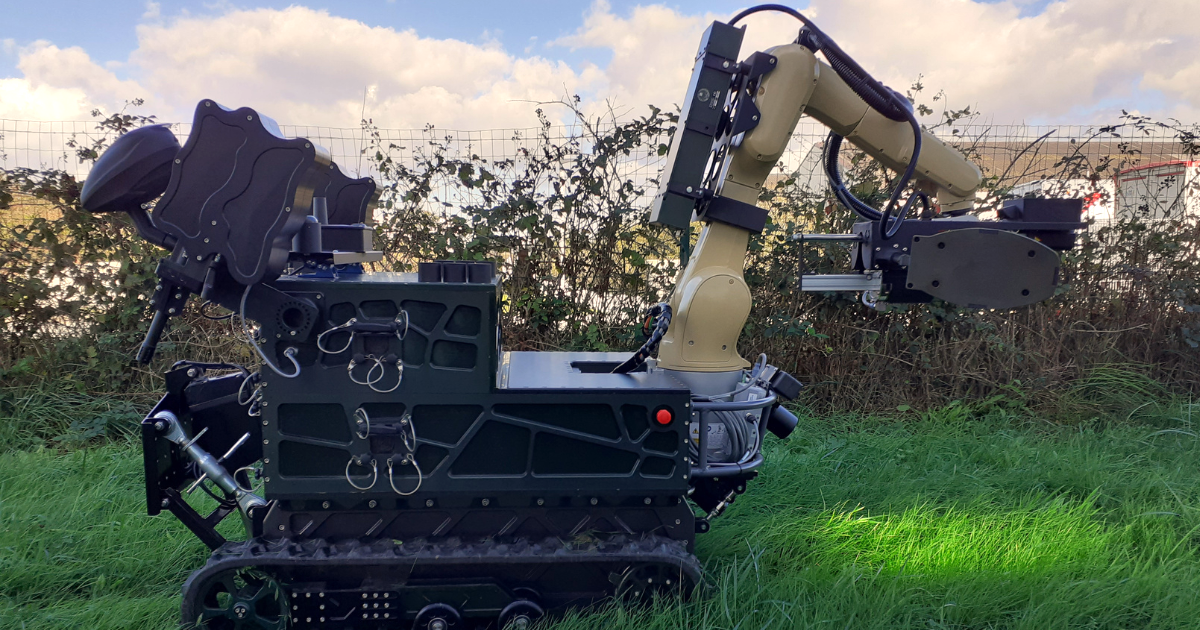
A robotic anti-personnal landmine detection system
Developing a robotic multi-sensor detection system
Capacités teams inspire, harness and couple numerous cutting-edge skills covering a wide range of applications and expertise to meet all of your innovation needs with passion and commitment!
We offer a complete range of services geared towards the industrial use of microalgae, from strain screening to production scale-up.
Our teams are there to guide you when it comes to selecting strains and determining the optimal conditions for microalgal cultivation. We launch a battery of tests on various production systems, be they closed or open, and are able to test or develop different types of custom-made photobioreactors. We also manage recovery operations up to the extraction-purification of the relevant microalgal compounds: carbohydrates, lipids and proteins.
Our efforts go a long way towards furthering the development of high-potential innovative products such as bioplastics, biofuels, biomaterials, bio-bitumen, spirulina, etc. By means of R&D services and collaborative research projects, Capacités presents manufacturers and laboratories with their GEPEA Laboratory know-how in the industrial use of microalgae: reusing CO2, nitrogen and waste heat from industrial activities that cause pollution in order to create valuable resources.
Summary
Services
Strategy and consulting
Diagnostics and screening
Process development
Biorefining
Biorefining
No matter the challenge, our experts deliver practical and innovative solutions
Microalgae, a revolution for
Natural compounds
Microalgae are an innovative source of natural compounds: EPA/DHA, pigments, peptides, proteins, polysaccharides and sterols.
Our teams have access to the collections of strains from the GEPEA and MMS research laboratories. Where necessary, they can also make use of the RCC and NCC collections, among others. Due to our expertise in strain characterisation, we are able to guide you through the screening, isolation and purification stages.
In a nutshell
STRAIN PORTFOLIO
SCREENING
ISOLATION
CHARACTERISATION
PURIFICATION
TORUS PHOTOBIOREACTORS
More
Portfolio of industrial strains
Screening of new strains
Bioprospecting and sourcing of wild strains
Isolation and characterisation of HVA molecules
Micromanipulators – purification of strains
Strain screening in photobioreactors: EOSS technology
Experimental torus photobioreactors in a controlled environment
Development, testing and automation of cultivation processes
On the strength of our technical resources, we are able to test, measure and monitor all the relevant cultivation parameters for algal biomass production in real time: carbon, nitrogen and phosphorus levels, quantity of light, quantity of water, biological contamination, weather conditions, etc.
We also work on automating cultivation processes by designing monitoring tools capable of automatically adjusting the cultivation parameters in photobioreactors.
In a nutshell
TECHNOLOGY TESTING
CONCENTRATION AND HARVESTING
PROCESS DEVELOPMENT
GROWTH MONITORING
WASTEWATER TREATMENT
More
Cultivation
Characterising existing technologies
Developing innovative technologies
Optimising solar production
Industrial feasibility study
Environmental impact
Life-cycle assessment
Technology testing
Biomass concentration and harvesting
Preconcentration and concentration systems
Filtration and membrane separation processes
Centrifuges
Process development
Technical and scientific consulting regarding the creation of photobioreactors, as well as harvesting and biorefinery systems
Support for the defining and drafting specifications
Testing of innovative cultivation technologies in a real-world environment with either artificial or natural light (plug & play mode)
Equipment development
Growth monitoring
Monitoring including: dry matter, observation under microscope, counting, etc.
Precise characterisation of the microalgal biomass (pigments, lipids, proteins, polysaccharides, etc.)
Analysis of organic and inorganic carbons
Analysis of the physico-chemical composition of the culture (nitrates, phosphates, ammonium, metals, etc.)
Treatment and industrial waste recovery
Bioremediation of gaseous and liquid wastes
Using waste heat
Combining cultures – effluents and developing circular economy concepts
Optimisation and recycling of the culture medium
Biorefining, comparative testing and combining unit operations
Our specialists examine the integration of unit operations, either in the research laboratory or on site, with a view to completely recovering the biomass produced. We develop the process up to the extraction-purification of those biomolecules indicated in your specifications. Our research is validated in real-world conditions and on a representative scale.
In a nutshell
HARVESTING
MILLING – ENRICHMENT
EXTRACTION
PURIFICATION
CONDITIONING
More
Harvesting
Centrifugation
Flotation
Decanting
Granular filtration
Membrane filtration
Grinding
High-pressure grinding
Bead milling
Concentration and enrichment of target metabolites
Centrifugal partition chromatography (CPC, preparative or production)
Crystallisation
Biomass conditioning methods
Drying
Atomisation
Lyophilisation
Mass balance, biomass analysis
Along with the unwavering support of the GEPEA and CEISAM laboratories, we possess the expertise and range of analytical equipment necessary for a precise biochemical characterisation of the organic matter present, the metabolites produced and the biomolecules extracted. We are thus able to carry out our analyses in an entirely autonomous and confidential manner.
In a nutshell
PROTEIN DOSAGE
COMPOUND PROFILING
CLASS PROFILING
FAMILY PROFILING
SPECTRO ANALYSIS
NMR
More
Dosage
Pigment dosage via spectrometry
Protein dosage via colorimetric analysis
Total monosaccharide dosage via colorimetric analysis
Profiling
Compound profiling: polar via GC-MS and water-soluble via HPLC
Class profiling via HPTLC
Family profiling via FTIR
Types of analysis
UV-vis et NIR spectrochemical analysis
Online analysis of biomass composition via benchtop NMR
Access to the MS and NMR platforms of BiogenOuest (Corsaire network)
Scaling up the microalgae cultivation processes
We test and validate the scale-up and industrialisation conditions of the processes. Our wide array of equipment allows us to design pilots and to implement laboratory-scale production, as well as to make and deliver samples destined for trials (consumer, preclinical and clinical).
In a nutshell
IDENTIFYING CONSTRAINTS
PILOT PLANT
INDUSTRIALISATION
CUSTOM MANUFACTURING
More
Identifying and validating constraints
Mass and heat transfer limitations
High partial pressure of O2/CO2
pH/temperature gradients
Substrate gradients
Pressure
Light
Industrialisation of the process
Tests and trials with a view to scaling up
Validation of industrial raw materials on laboratory equipment
Characterisation studies of pilot equipment (standard) prior to validation tests
Integrating the new process into the existing process chain
Custom manufacturing
Small trials: production from gram to kilogram according to the established protocol
Setting up pilot production units in order to monitor various parameters and potential limitations
Collaborative research activities and R&D projects
Since we have access to the technical resources and researchers belonging to the GEPEA Laboratory, we are able to develop innovative projects through R&D in the marine bioresources recovery fields, and particularly in microalgae.
In a nutshell
INDUSTRIAL ECOLOGY
WASTEWATER TREATMENT
BIOFUELS
BATCH PRODUCTION
INNOVATIVE PROCESSES
EQUIPMENT TESTING
More
Biofuel production
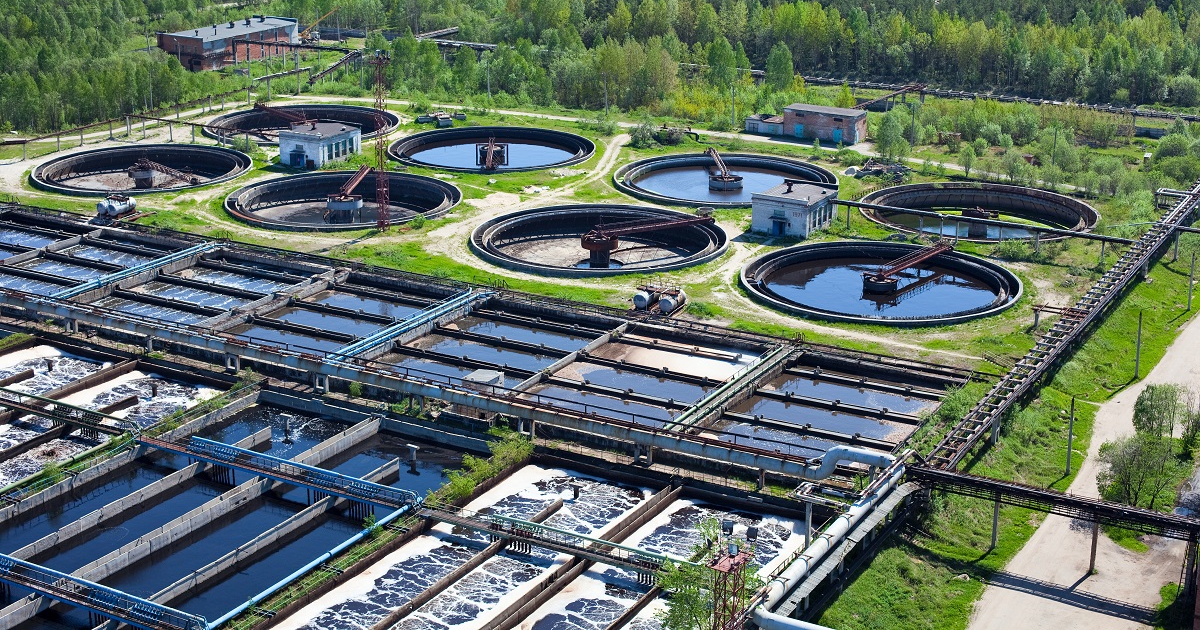
Treatment of liquid waste and industrial fumes
Production of active ingredients
Production of bio-based materials
Biomass batch production
Research and testing of cultivation systems
Equipment testing
Optimisation of cultivation parameters
ALGOSOLIS technology and R&D facility
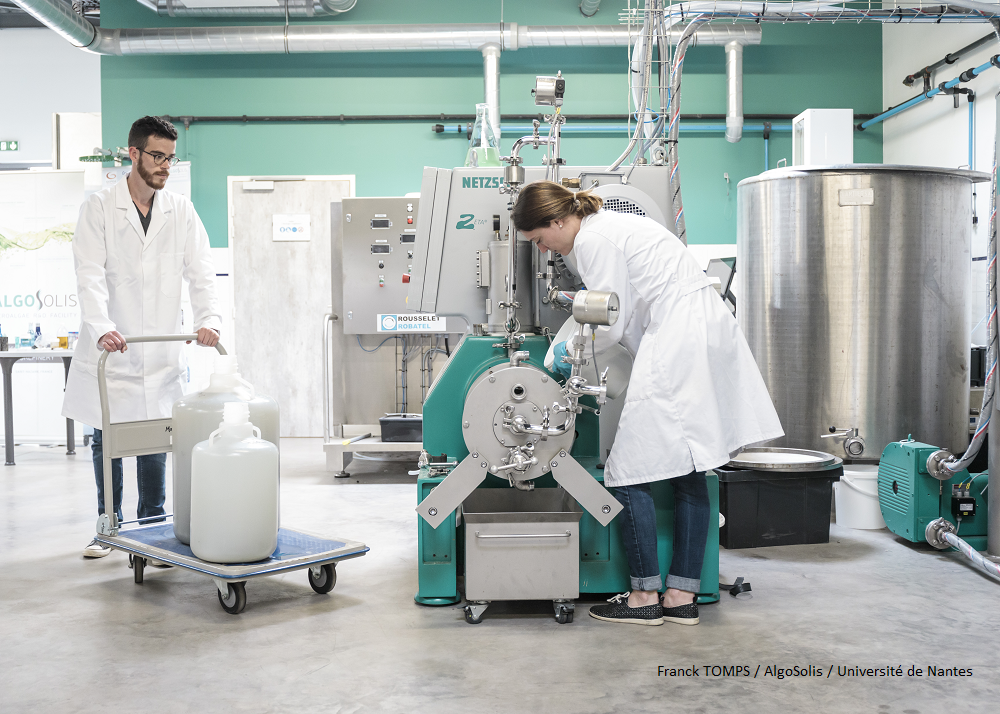
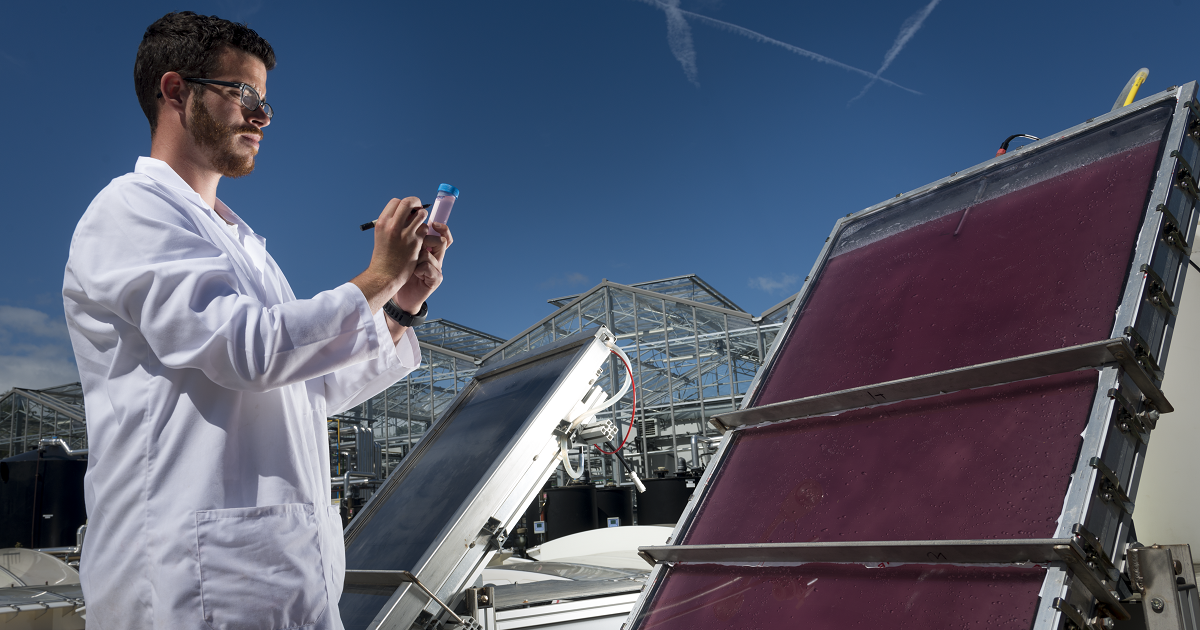
AlgoSolis provides us with the necessary equipment and infrastructure for the controlled, intensive and sustainable use of microalgal resources on a large scale. This platform allows the various stakeholders to develop microalgal cultures in open and closed ponds. The modelling and designing of custom-made photobioreactors is also available. This technology service promotes the development of innovative research projects in the field of blue biotechnology.
In a nutshell
PRE-CULTURE ROOMS
INTENSIFIED PHOTOBIOREACTORS
AIRLIFT PHOTOBIOREACTORS
CLOSED RACEWAYS
OUTDOOR PRODUCTION
GREENHOUSE PRODUCTION
BIOREFINERY HALL
More
Identifying and validating constraints
Mass and heat transfer limitations
High partial pressure of O2/CO2
pH/temperature gradients
Substrate gradients
Pressure
Light
Industrialisation of the process
Tests and trials with a view to scaling up
Validation of industrial raw materials on laboratory equipment
Characterisation studies of pilot equipment (standard) prior to validation tests
Integrating the new process into the existing process chain
Custom manufacturing
Small trials: production from gram to kilogram according to the established protocol
Setting up pilot production units in order to monitor various parameters and potential limitations
Training in microalgae cultivation
This professional training course, which is headed up by the research professors of the GEPEA Laboratory and the engineers at Capacités, provides the theoretical and practical elements involved in the entire microalgae production chain, from the preparation of media and inoculums to the ultimate harvesting of the biomass produced in natural light. The course is endorsed by the Pôle Mer Bretagne Atlantique.
Good cultivation practices [1 day]
Cultivation engineering [2 days]
Harvesting microalgae [1 day]
Engineering at Capacités
Our biodegradability experts carry out their engineering work directly in the research laboratories of Nantes Université, in particular at the GEPEA. On a daily basis, they combine technical means and scientific discoveries to meet your R&D challenges.
Challenges we’ve met
Microalgae to valorise waste heat and industrial CO2
Development of a valorisation process for waste gases via microalgae cultivation
Capacités teams inspire, harness and couple numerous cutting-edge skills covering a wide range of applications and expertise to meet all of your innovation needs with passion and commitment!
Preclinical trials for drug development and drug candidate validation
Life science
Our experts lead preclinical testing and support pharmaceutical and biotechnology companies in the drug discovery and drug development phases: pharmacology, pharmacokinetics and toxicology studies.
Save time in the experimentation phase. We develop the preclinical studies for the validation of drug candidates and food compounds, evaluate the therapeutic or protective effects of molecules of interest and characterize the functional effects of a pharmaceutical product (action, target organ, active dose).
Associated with the facility core for function exploration Therassay (certified ISO9001: 2015), we operate as a CRO (contract research organization). WE offer a simplified service covering a wide range of functions: neuromuscular, metabolic, vascular, cardiac, pulmonary, digestive, oncology-haematology; as well as consulting services, study design and preclinical trials.
Summary
Services
Benchmarck and consulting
Study design
Preclinical assays
Assessments: Analyses, Recommendations
Support: development, certification…
Preclinical research and assays on muscle function
Physiopathological analyses, muscle fatigue studies and muscle tone measurements are conducted by our experts to study muscle pathologies such as sarcopenia and muscle atrophy.
Different methods and a high level of expertise are offered to answer specific questions related to the evaluation of muscular strength, the analysis of gain or loss of muscular strength and the improvement of cognitive functions or stress and anxiety states.
In a nutshell
evaluation of muscular strength
analysis of gain or loss of muscular strength
improvement of cognitive functions
stress and anxiety states
More
Assessment of general behavior and analysis of global motor and muscle function
Effectiveness laboratory testing of pharmaceutical products and food supplements on neuromuscular function: strength, muscle fatigue, endurance
Measurement of limb muscle strength
Measurement locomotion and curiosity activities
Measurement of endurance and resistance to effort
Exploration of motor coordination
Training, muscle fatigue and exercise resistance assessment
Semi-automated system for gait exploration and qualitative/quantitative analysis of locomotion
Exploration of neuromotor function and muscle function
Measurement of muscle contractions at the organ, muscle cells and calcium homeostasis levels
Evaluate the efficacy of food supplements or drug candidates: compare a reference product with products on the market (plant extracts, soluble milk proteins, muscle relaxants, etc.)
Muscle atrophy and hypertrophy: muscle mass
Isolated muscles
Permeabilized or intact skeletal muscle fibers
Pharmacological approach: drug trials, plant extracts, etc.
Neuromuscular evaluation: anxiety, depression
Preclinical trials for the functional exploration of the muscular system associated with cognitive functions.
Locomotion evaluation
Anxiety test
Spatial memory evaluation
Measurement of curiosity
Anxiety assessment
Preclinical evaluation and validation of drug candidates in onco-hematology
This unique expertise is offered to biotechs, pharmaceutical companies and research institutions to evaluate the clinical potential of drug candidates for hematological malignancies : lymphomas, myelodysplastic syndromes, hematological malignancies, etc.
In a nutshell
In vitro study
cell lines
clinical potential of drug candidates
hematological malignancies
More
Evaluation of the therapeutic potential of compounds on MM (Multiple Myeloma) and MCL (Mantle Cell Lymphoma) cell lines
Dissection of cellular mechanisms induced by compounds
Identification of the best combination with approved drugs
Cell lines characterization
In vitro assays available as standard – others upon request
Drug efficacy evaluation using a panel of MM (Multiple Myeloma) xenograft models, recapitulating MM heterogeneity in immunodeficient subjects (tumor volume monitoring)
Models development for hematological cancers
Monitoring, endpoints and characterization of drug efficacy
Capacités teams inspire, harness and couple numerous cutting-edge skills covering a wide range of applications and expertise to meet all of your innovation needs with passion and commitment!
Capsulæ is a leading company in the field of microencapsulation. It develops solutions for industrial customers to optimize active and inactive ingredients’ performance and facilitate their use. The company had a project that required finding an effective alternative solution to meet its client’s biodegradability requirements. It turned to the experts from CAPACITÉS to develop a new formula involving its method of encapsulation by cyclodextrins. The preliminary results are promising.
Increasing the bioavailability of a hydrophobic active ingredient
In the fields of food and feed, microencapsulation can improve an active ingredient’s stability. “Nevertheless, using conventional encapsulation materials does not always let us obtain all the beneficial effects from some active ingredients. This is due to weak bioavailability and is often linked to hydrophobicity,” explains Gisèle Ongmayeb, PhD, the R&I manager at Capsulæ.
Capsulæ wanted to explore other materials with structures that can protect hydrophobic active ingredients and simultaneously facilitate their bioavailability. Cyclodextrins were identified among these materials. They originate naturally and meet current regulatory demands concerning material biodegradability.
In this context, the company asked CAPACITÉS’ experts to encapsulate vitamin E as a model molecule. The intermediary results are very encouraging; the cyclodextrins selected allowed vitamin E to be encapsulated and improved its solubility in an aqueous phase. The results delivered in August 2021 confirm this trend, and a second phase of the project will begin with the aim of optimizing the process to reduce costs. Capsulæ’s goal is to offer its clients an innovative encapsulation technique at a competitive price.
An efficient collaboration in Research & Innovation for industry
“Private companies must join forces with researchers in academic laboratories, such as the experts at CAPACITÉS, to overcome certain scientific obstacles and use the latest methods of characterization. So, you must collaborate to innovate,” recommends Gisèle Ongmayeb.
In the context of this collaboration, “CAPACITÉS has knowledge and a high level of scientific expertise in a particular groundbreaking skill. Capsulæ has extensive experience and a unique global vision of the encapsulation market. For CAPACITÉS, this is the opportunity to make full use of its expertise with cyclodextrins for new industrial applications,” adds Gisèle Ongmayeb.
Do you need help solving bioavailability issues for an active compound? CAPACITÉS is your partner for finding ingenious solutions. Contact us.
Due to the lack of standardised tests, the cosmetics industry is unable to evaluate the biodegradability of a mixture of substances with any degree of precision. Expectations of a simple and reliable method are high: manufacturers wishing to optimise the environmental impact assessment of their products, and European institutions looking to reassure and protect their citizens. In order to confront this methodological void head on, experts from CAPACIÉS and the GEPEA Laboratory, backed by Tronico and L’Oréal, teamed up to develop a new method for assessing the biodegradability of complex matrices. The issue lies in its standardisation, so as to meet the manufacturers’ economic requirements in terms of speed and reliability. New measuring equipment that is designed to automate testing is already being evaluated. ECHA, the European Chemicals Agency, is keeping a close eye on the progress of this innovative approach.
We asked two of CAPACITÉS experts to explain this concept in more depth: Prof. Gérald Thouand, a researcher at the GEPEA Laboratory, and Mickaël Crégut, an R&D engineer specialising in biodegradability and ecotoxicity.
Discussions are under way in Europe about providing a framework for the assessment of the biodegradability of mixtures. Could you tell us a bit more about this issue?
G. Thouand: The European legislation, REACH, has been regulating pure substances since 2008. Eventually, mixtures will also be subject to legislation. We are all perfectly aware of the fact that it isn’t pure substances which are found in nature, but mixtures. A molecule can be perfectly biodegradable in a laboratory, yet not be biodegraded during wastewater treatment plant processing because it’s surrounded by hundreds of other molecules. This is what I call the “cocktail effect”, as no one has a standardised way to evaluate it.
For the time being, ECHA, the European Chemicals Agency, recommends isolating molecules in order to measure the biodegradability of each one separately. This is neither chemically nor technically feasible. Biodegradability and ecotoxicity specialists are simply unable to separate hundreds of substances from a mixture in a timely and cost-effective manner.
Manufactures are waiting for laboratories to offer them an alternative approach, so that they can finally be a driving force behind ECHA. The latter seeks to find a compromise between manufacturers’ capabilities with respect to evaluating their products, and a degree of certainty that the assessment methods employed are sufficiently reliable to protect society.
Do you have an answer for the manufacturers?
G. Thouand: Yes, Capacités and the GEPEA Laboratory, backed by L’Oréal and Tronico, have been developing a new approach for assessing the biodegradability and ecotoxicity of complex matrices since 2015.
We know that undegraded elements may remain after a biodegradation event and that these residues can be composed of hundreds of substances. We measure numerous parameters, including the toxicity of the final mixture, so as to assess whether it is more or less toxic than the initial mixture. Providing that there is no increase in toxicity, the mixture is characterised as biodegradable. This is what we refer to as “weight of evidence”.
In order to arrive at this conclusion, the complex matrix to be assessed and a certain quantity of environmental microorganisms are placed in a reactor. The substance is biodegraded if the microorganisms feed on it in order to grow: they consume oxygen to oxidise the substance and release CO2 to integrate it into their metabolism.
M. Crégut: In order to evaluate the biodegradability of a substance, there are thus four factors to be observed: oxygen decreases, carbon dioxide is produced, biomass is created and the substance disappears. These parameters are relatively easy to study separately, but very difficult to measure together. We managed to combine them into a single assessment system.
Repeating this procedure for four of five substances is already a painstaking task. Doing it for hundreds of substances would require an infinite amount of time… In order to address this issue, we developed a machine that carries out biodegradability and ecotoxicity testing automatically. Operators only have a single procedure to perform in the beginning, then they can leave it to carry on with the task for around 28 days.
Your testing method has been integrated into a new automatic assessment machine for establishing the biodegradability of mixtures. Can you tell us a bit more about its industrial roll-out?
M. Crégut: This is an important innovation, made possible by Tronico that backed the GEPEA Laboratory and Capacités from the very beginning, as well as L’Oréal that followed us. We received the first prototype in December 2020. At the moment, it’s in the laboratory evaluation phase. It will soon be sent to Eurofins in Nancy, where testing will be carried out under the aegis of L’Oréal that is financing the operation. Such field experiments are essential prior to the market launch in 2022.
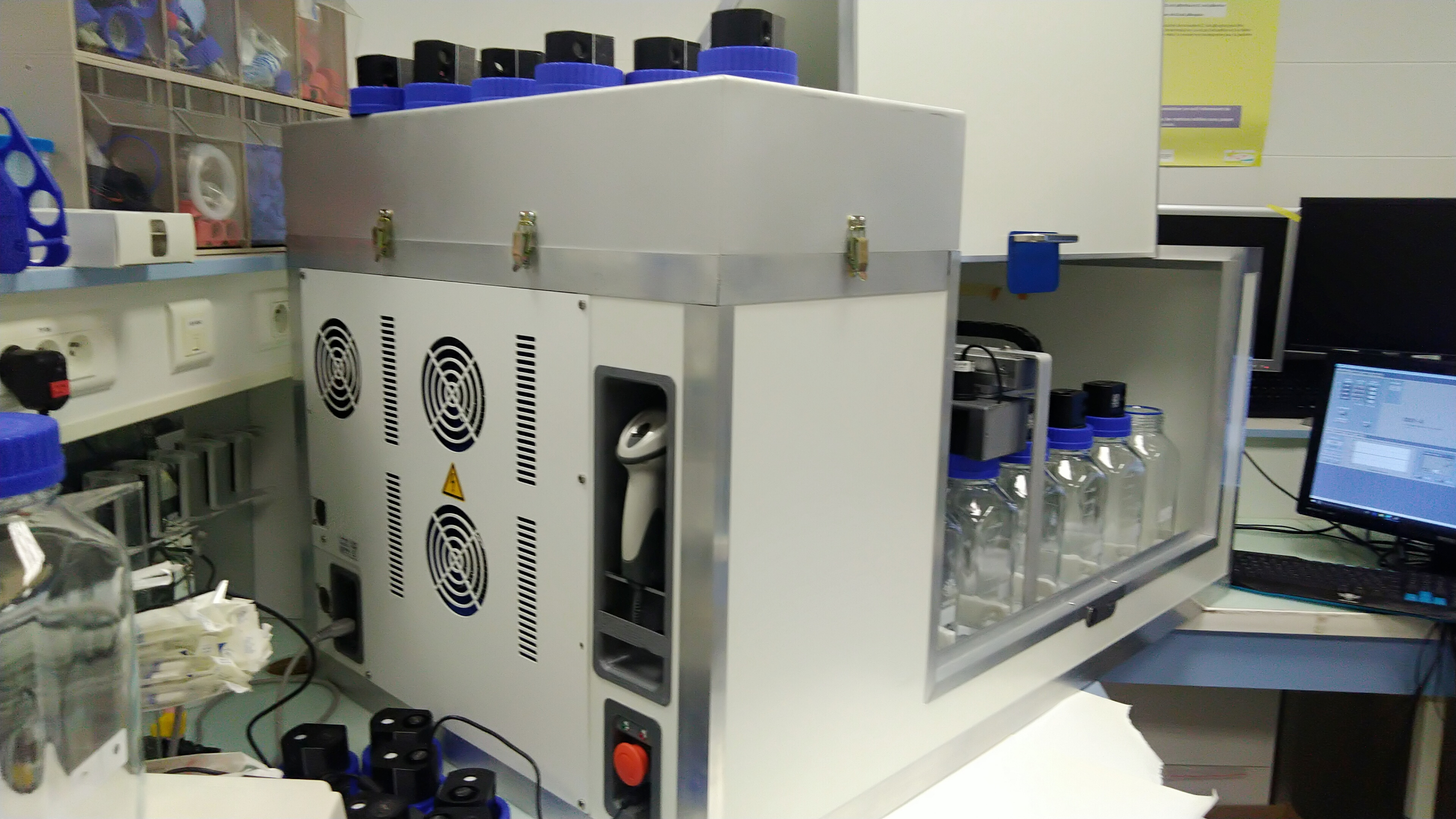
G. Thouand: The main challenge was to combine all the parameters for assessing the biodegradability of a complex matrix into one machine, and in a way that was automatic and fast… We succeeded by combining numerous technologies that had already been mastered. We miniaturised each operation in order to create a compact machine that occupies only 1 m2. It takes only one person to operate it.
ECHA is looking for a compromise between their need for safety and the manufacturers’ need for a method that can be applied at a reasonable cost and within a reasonable time. Could your method be that compromise?
M. Crégut: Yes, that’s a possibility. In any case, ours will most likely be one of the methods recommended by ECHA for biodegradability testing. Together with L’Oréal, we published an article in the journal Green chemistry that was presented at SETAC Europe, the global biodegradability and ecotoxicity congress, in 2019. We feel that our approach is starting to become the general consensus.
It is a valid means of assessment that is economically viable, while addressing the key ecological issues. Our citizens need transparency, that’s normal. Manufacturers also need to understand precisely what this entails.
To find out more about our expertise in biodegradability and ecotoxicity, please visit our dedicated page or contact us directly.
An automated bioreactor to facilitate biodegradability assessment
In a nutshell
Key words
BiodegradabilityECOTOXICOLOGY
Discussions are under way in Europe about providing a framework for the assessment of the biodegradability of mixtures. Could you tell us a bit more about this issue?
G. Thouand: The European legislation, REACH, has been regulating pure substances since 2008. Eventually, mixtures will also be subject to legislation. We are all perfectly aware of the fact that it isn’t pure substances which are found in nature, but mixtures. A molecule can be perfectly biodegradable in a laboratory, yet not be biodegraded during wastewater treatment plant processing because it’s surrounded by hundreds of other molecules. This is what I call the “cocktail effect”, as no one has a standardised way to evaluate it.
For the time being, ECHA, the European Chemicals Agency, recommends isolating molecules in order to measure the biodegradability of each one separately. This is neither chemically nor technically feasible. Biodegradability and ecotoxicity specialists are simply unable to separate hundreds of substances from a mixture in a timely and cost-effective manner.
Manufactures are waiting for laboratories to offer them an alternative approach, so that they can finally be a driving force behind ECHA. The latter seeks to find a compromise between manufacturers’ capabilities with respect to evaluating their products, and a degree of certainty that the assessment methods employed are sufficiently reliable to protect society.
Do you have an answer for the manufacturers?
G. Thouand: Yes, Capacités and the GEPEA Laboratory, backed by L’Oréal and Tronico, have been developing a new approach for assessing the biodegradability and ecotoxicity of complex matrices since 2015.
We know that undegraded elements may remain after a biodegradation event and that these residues can be composed of hundreds of substances. We measure numerous parameters, including the toxicity of the final mixture, so as to assess whether it is more or less toxic than the initial mixture. Providing that there is no increase in toxicity, the mixture is characterised as biodegradable. This is what we refer to as “weight of evidence”.
In order to arrive at this conclusion, the complex matrix to be assessed and a certain quantity of environmental microorganisms are placed in a reactor. The substance is biodegraded if the microorganisms feed on it in order to grow: they consume oxygen to oxidise the substance and release CO2 to integrate it into their metabolism.
M. Crégut: In order to evaluate the biodegradability of a substance, there are thus four factors to be observed: oxygen decreases, carbon dioxide is produced, biomass is created and the substance disappears. These parameters are relatively easy to study separately, but very difficult to measure together. We managed to combine them into a single assessment system.
Repeating this procedure for four of five substances is already a painstaking task. Doing it for hundreds of substances would require an infinite amount of time… In order to address this issue, we developed a machine that carries out biodegradability and ecotoxicity testing automatically. Operators only have a single procedure to perform in the beginning, then they can leave it to carry on with the task for around 28 days.
Your testing method has been integrated into a new automatic assessment machine for establishing the biodegradability of mixtures. Can you tell us a bit more about its industrial roll-out?
M. Crégut: This is an important innovation, made possible by Tronico that backed the GEPEA Laboratory and Capacités from the very beginning, as well as L’Oréal that followed us. We received the first prototype in December 2020. At the moment, it’s in the laboratory evaluation phase. It will soon be sent to Eurofins in Nancy, where testing will be carried out under the aegis of L’Oréal that is financing the operation. Such field experiments are essential prior to the market launch in 2022.
G. Thouand: The main challenge was to combine all the parameters for assessing the biodegradability of a complex matrix into one machine, and in a way that was automatic and fast… We succeeded by combining numerous technologies that had already been mastered. We miniaturised each operation in order to create a compact machine that occupies only 1 m2. It takes only one person to operate it.
ECHA is looking for a compromise between their need for safety and the manufacturers’ need for a method that can be applied at a reasonable cost and within a reasonable time. Could your method be that compromise?
M. Crégut: Yes, that’s a possibility. In any case, ours will most likely be one of the methods recommended by ECHA for biodegradability testing. Together with L’Oréal, we published an article in the journal Green chemistry that was presented at SETAC Europe, the global biodegradability and ecotoxicity congress, in 2019. We feel that our approach is starting to become the general consensus.
It is a valid means of assessment that is economically viable, while addressing the key ecological issues. Our citizens need transparency, that’s normal. Manufacturers also need to understand precisely what this entails.
To find out more about our expertise in biodegradability and ecotoxicity, please visit our dedicated page or contact us directly.
Our projects
Characterizing ecotoxicity in complex substances
The client concerned is a leading player in the specialty ingredients sector for health and beauty. In 2019, it reaffirmed its confidence in Capacités and the GEPEA laboratory by requesting that their teams assess a new polymer’s ecotoxicity.